
Projects
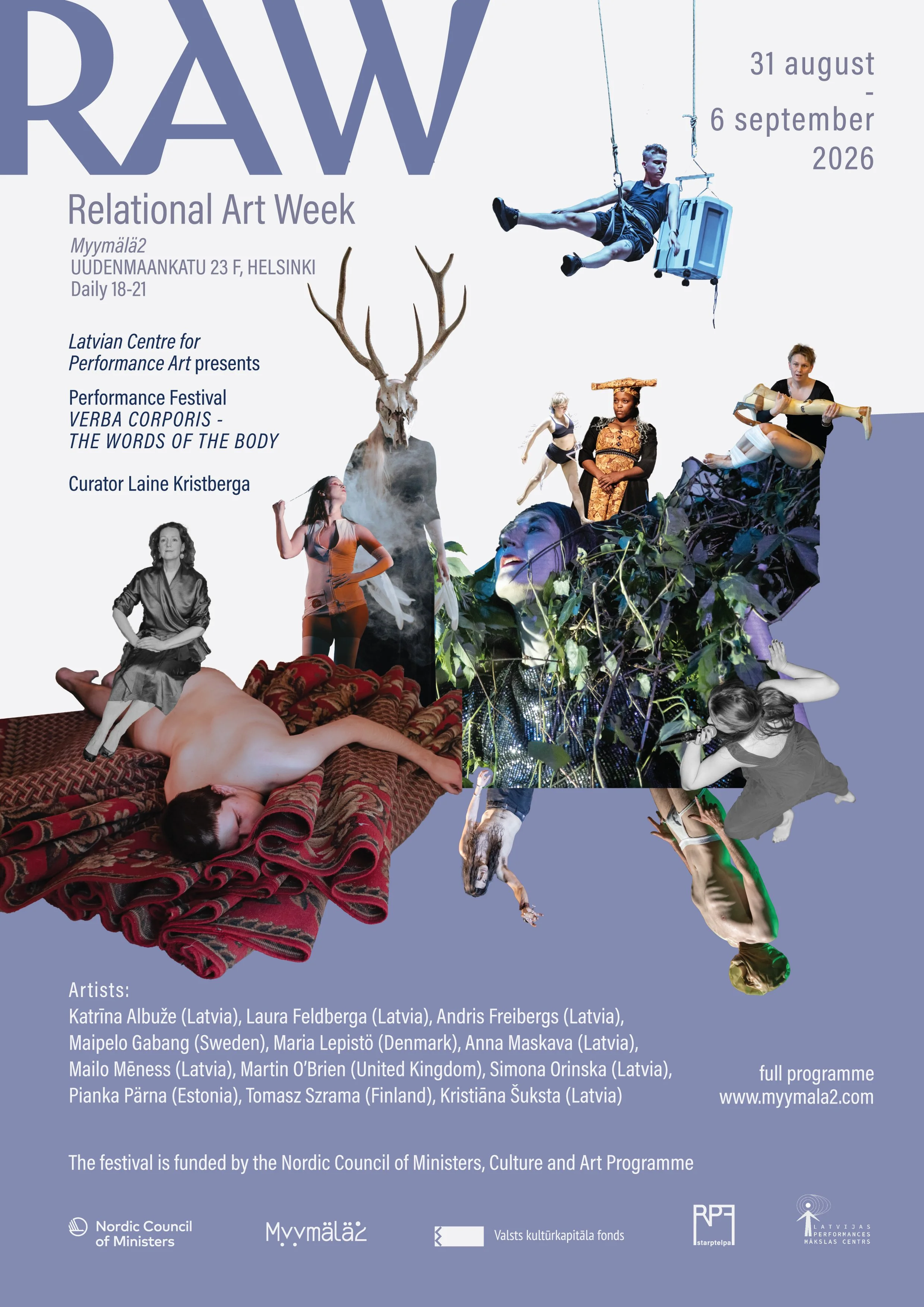
VERBA CORPORIS – THE WORDS OF THE BODY
31 August – 6 September 2026
Gallery Myymälä2, Helsinki
How does language inhabit the body? What happens when words become material for performance?
Presented by the Latvian Centre for Performance Art as part of RAW 2026 – Relational Art Week, VERBA CORPORIS – The Words of the Body brings together artists from Latvia, Finland, Denmark, Sweden, Estonia, and the United Kingdom. Curated by Laine Kristberga, the festival examines how language inhabits contemporary performance through a series of live works, discussions, and collaborative encounters.
Through twelve live performances, the festival explores the diverse ways in which text can enter performance art: as spoken language, autobiography, recorded voice, instruction, appropriation, memory, and embodied presence.


Publications
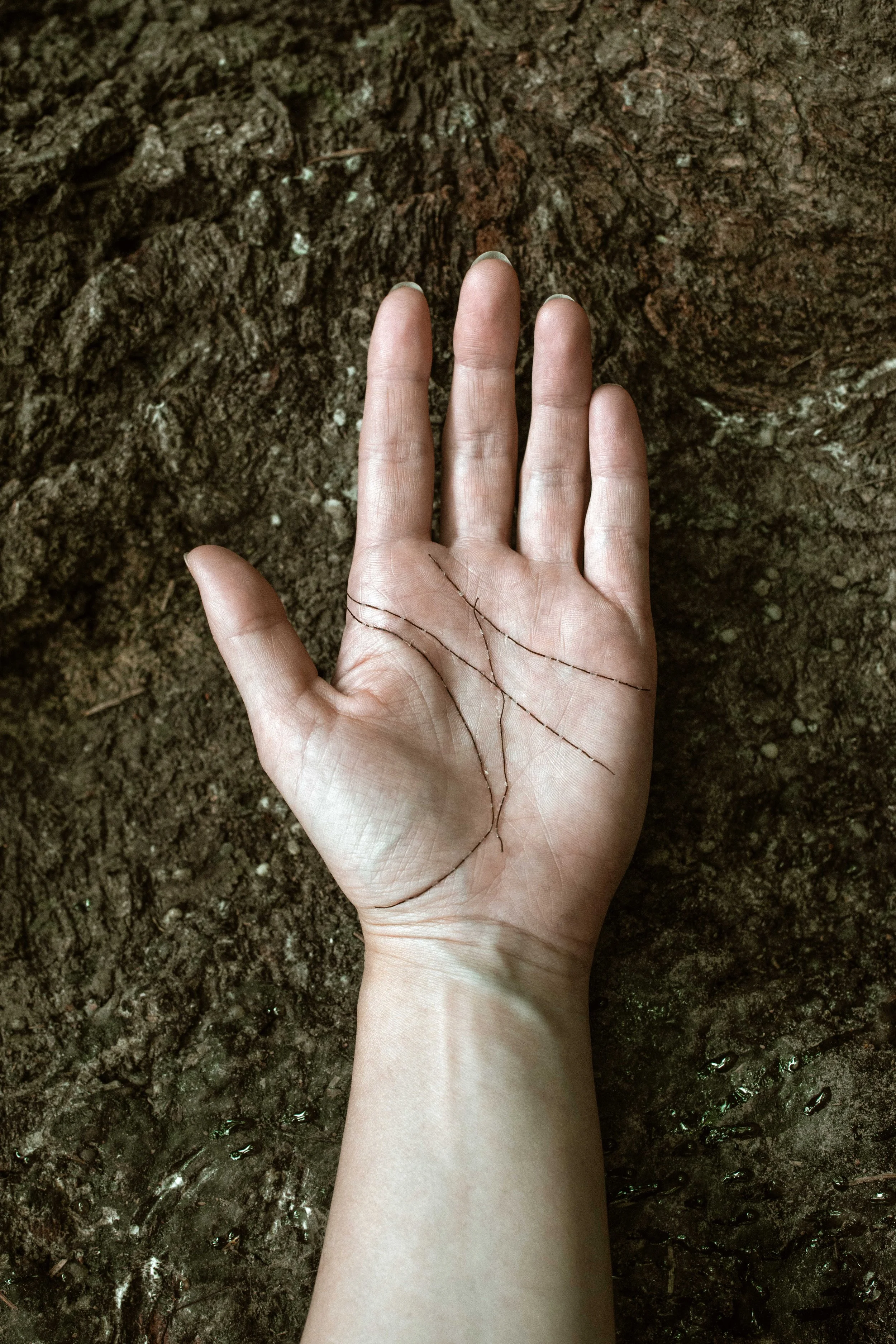
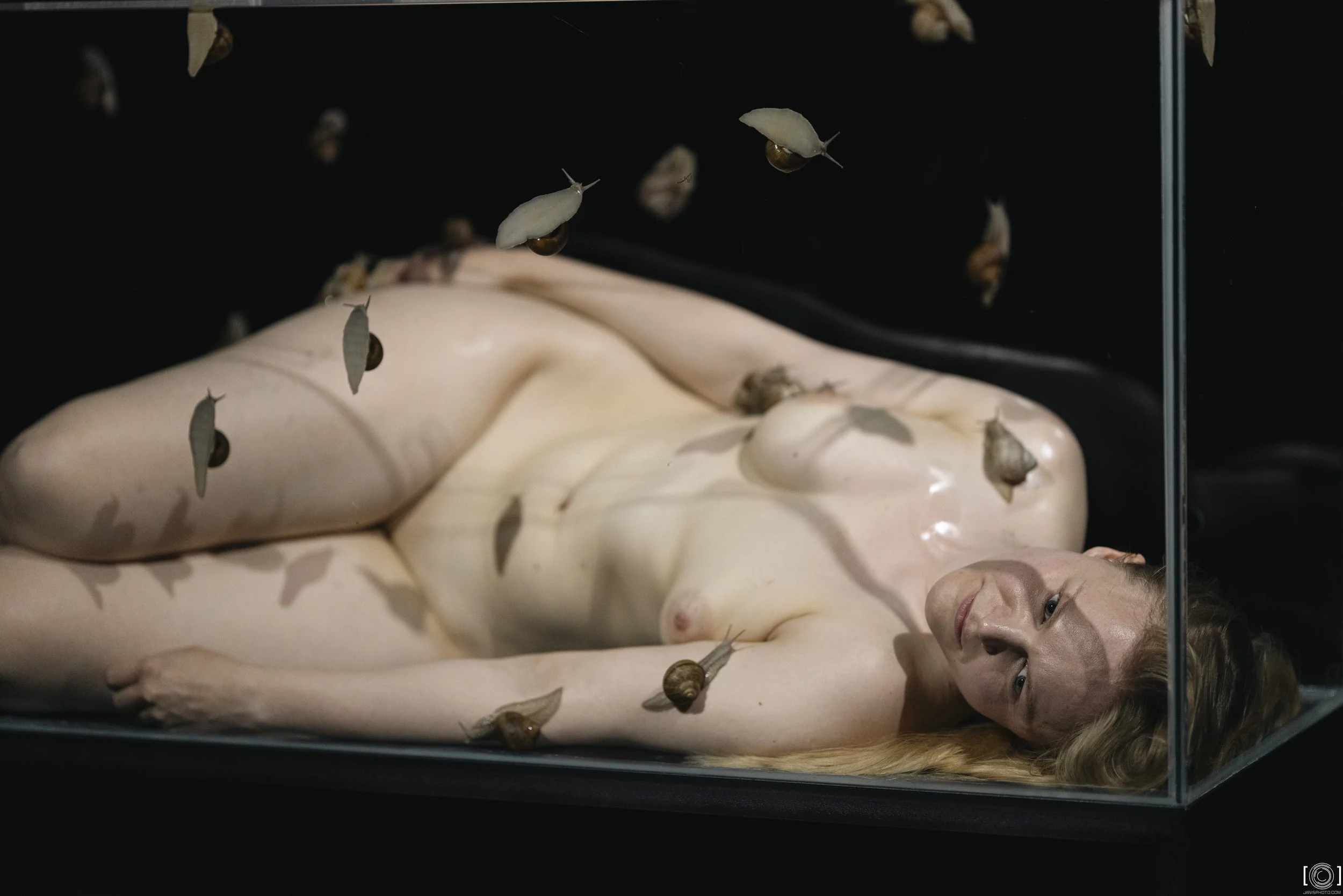
This article examines the artistic practice of Latvian artist Anna Maskava (b. 1990), integrating autobiographical, genealogical, and interspecies dimensions of kinship. Drawing on studies of autobiography, memory, and ritual, as well as posthumanist theory, the article explores how Maskava transforms personal experience, generational inheritance, and relationships into performative rituals of kinship. Through analyses of works such as 1997, Milk and Vodka, Expelled from the Kin, Ancestral Body, Animacy, Bare Life, and Ancestor II / 65 kg of the Past, the author demonstrates how the concept of kinship emerges as a dynamic, relational network of memory. In Maskava’s autobiographical works, memories of childhood and adolescence come to the fore; in works engaging with family history, generational memory is activated through the method of fabulation; meanwhile, her interspecies performances are grounded in modes of co-existence characterized by vulnerability, attentiveness, and material agency. Situating Maskava’s practice within the broader context of contemporary art in Latvia and acknowledging the author’s curatorial and pedagogical engagement in the artist’s professional development, the article argues that Maskava’s works reconceptualize kinship as an embodied, material, and more-than-human relational practice, revealing a close affinity with posthumanist ideas.
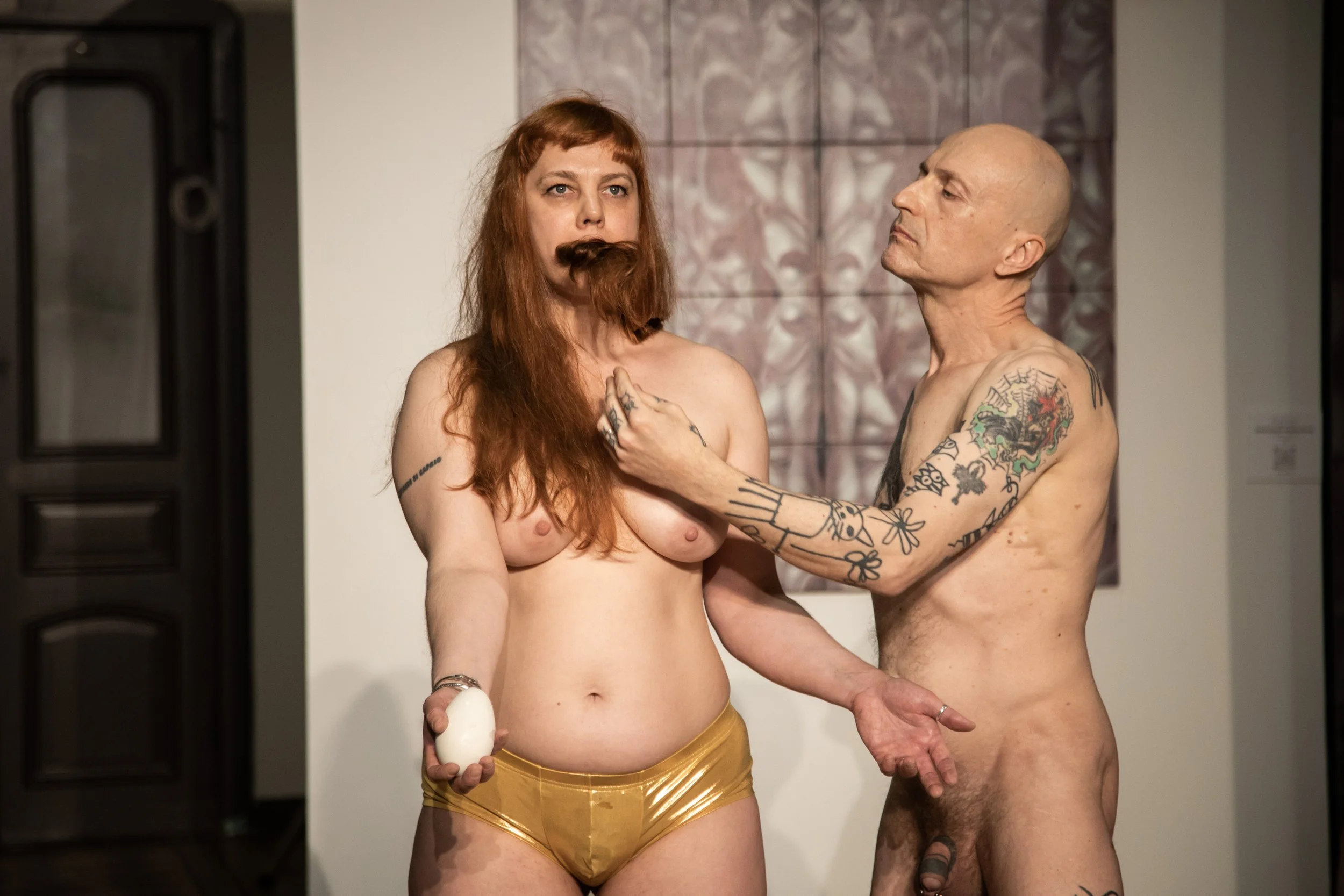


In this essay I would like to address two queer artists each living on opposite sides of the Iron Curtain and producing works of art echoing their personalities and lives.
Everyone knows who Andy Warhol (1928–1987) was—he would usually be our first association with Pop Art and preoccupation with American consumer culture manifested through the silk-screened images of canned tomato soup, superstars, celebrities, and his own self-portraits. Andris Grīnbergs (b. 1946), on the other hand, would only be known to those who have a particular research-related or other interest in Latvia or the post-Soviet region and performance art, as Grīnbergs is mostly quoted as the pioneer of performance art in Latvia with the first Happening dated 1969.


